
Industrial Robotics
High-performance robotic systems for demanding, repetitive, or high-throughput operations.
ROBOTICS & PHYSICAL AUTOMATION
From repetitive machine tending and material handling to assembly, packaging, and quality inspection, RoboRite helps businesses identify and implement practical robotic automation solutions that improve productivity, consistency, and operational efficiency.
CONNECTED CAPABILITIES
Effective physical automation requires the right combination of equipment, controls, software, and integration—not simply purchasing a robot.
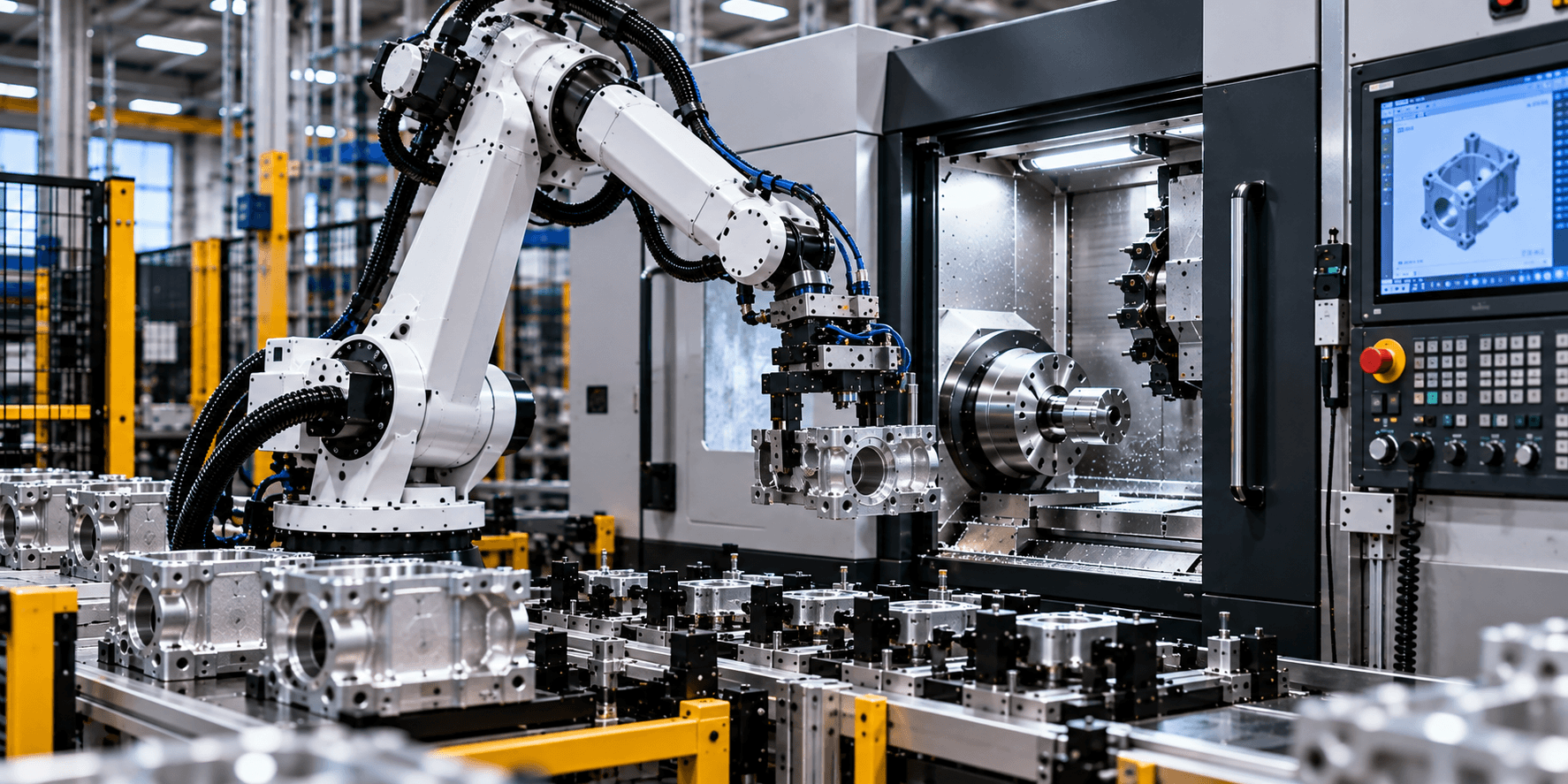
High-performance robotic systems for demanding, repetitive, or high-throughput operations.
Flexible robotic solutions for appropriate applications involving shared workspaces and adaptable production environments.
Vision-guided positioning, inspection, identification, and quality-control applications.
Connecting robots, machines, sensors, and production systems into coordinated workflows.
Application-specific gripping, handling, fastening, dispensing, and process tooling.
Automation designed around changing products, production requirements, and operational needs.
WHAT CAN WE AUTOMATE?
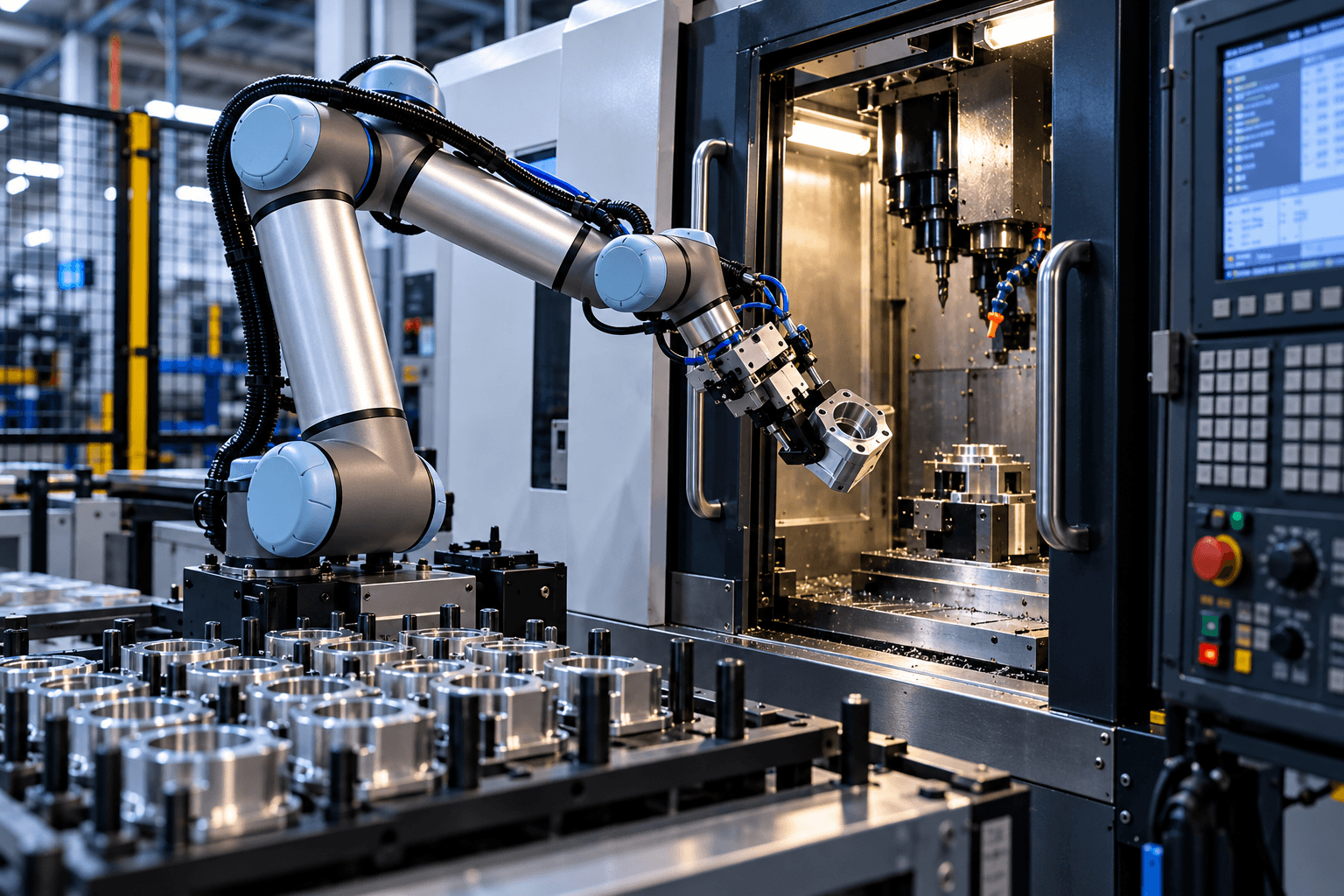
Automated loading and unloading of CNC machines, presses, and other production equipment.
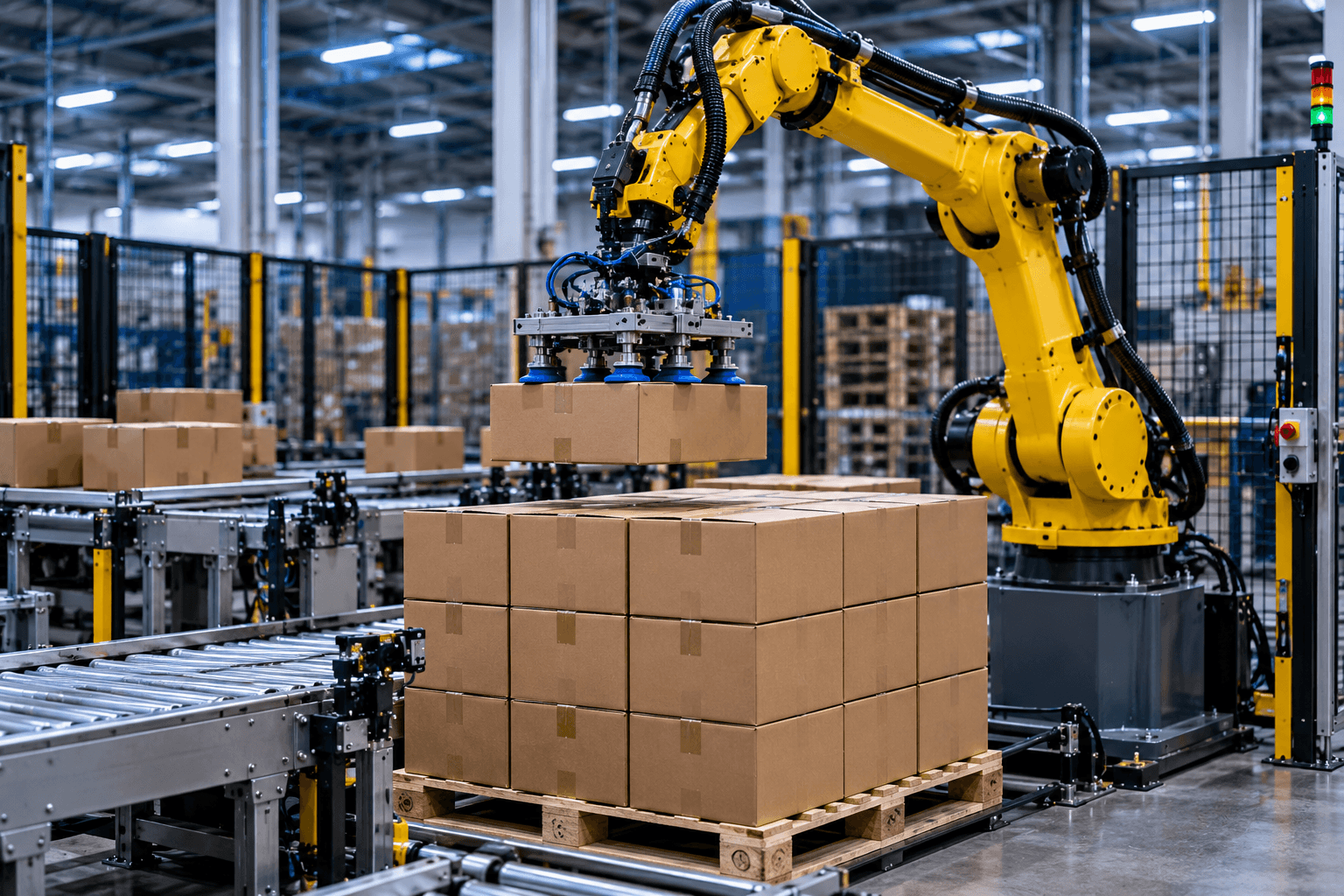
Automated stacking, unstacking, and handling of finished products and materials.
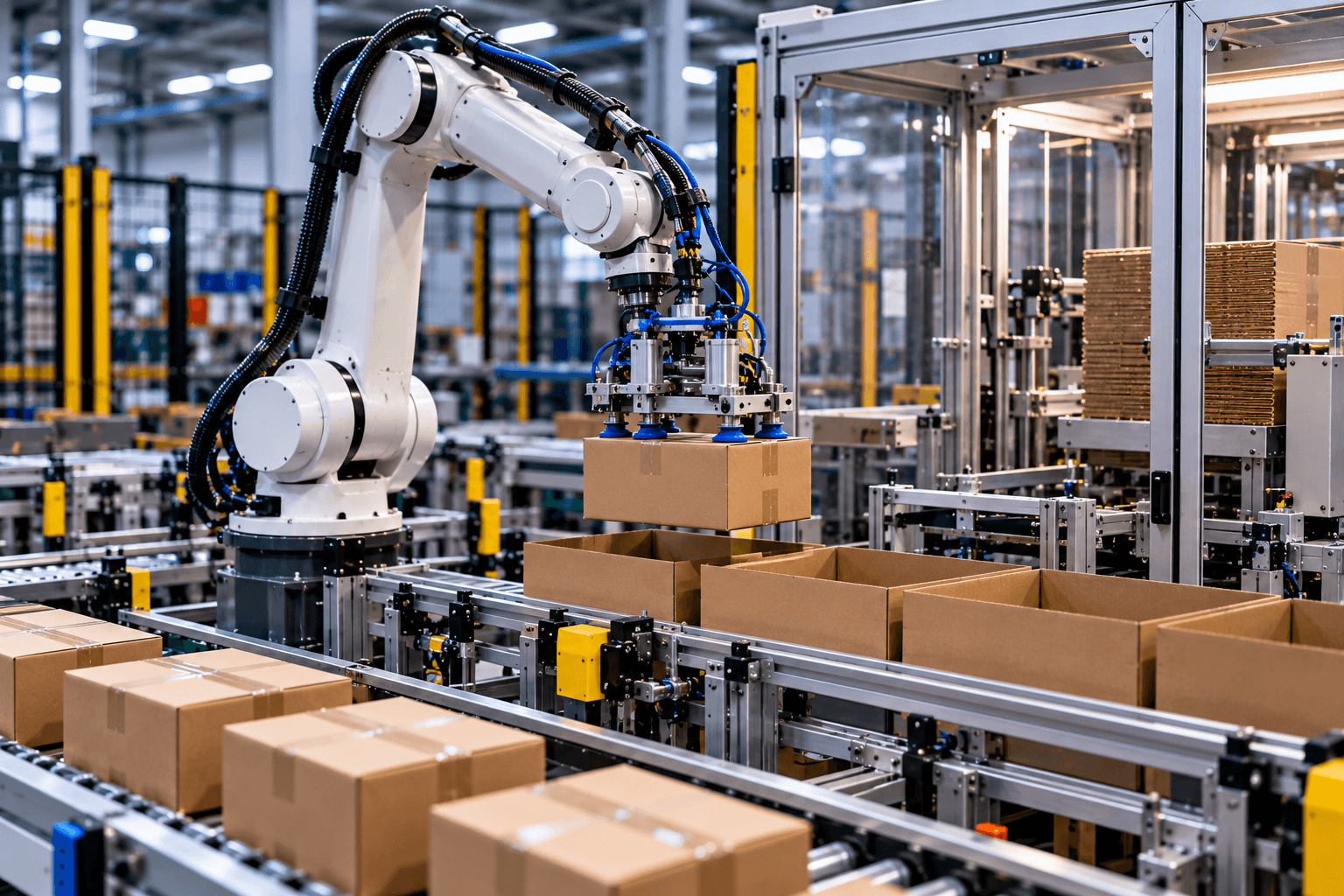
Automated boxing, cartoning, packing, and product handling.
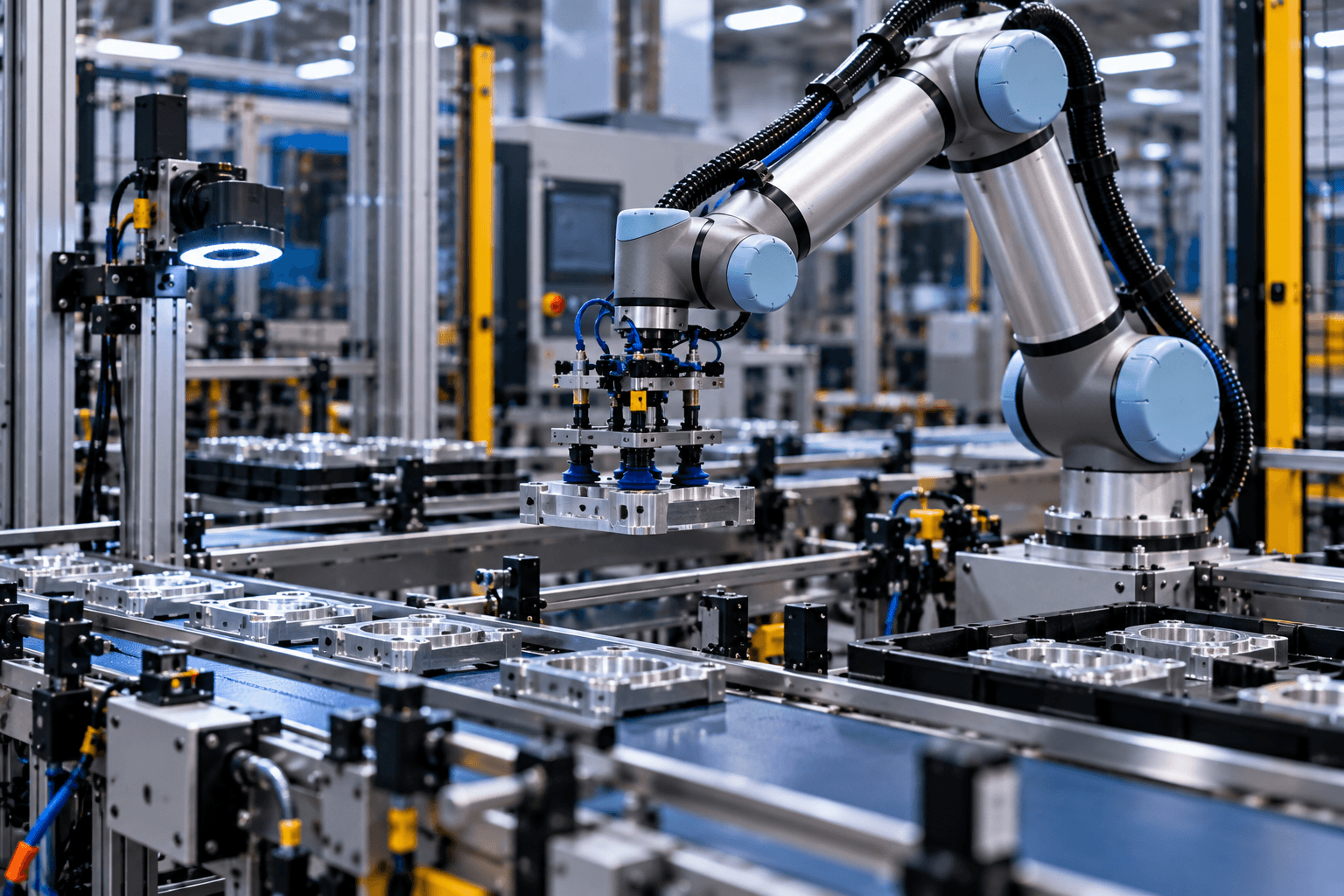
High-speed or repetitive positioning, transferring, and sorting of components and products.
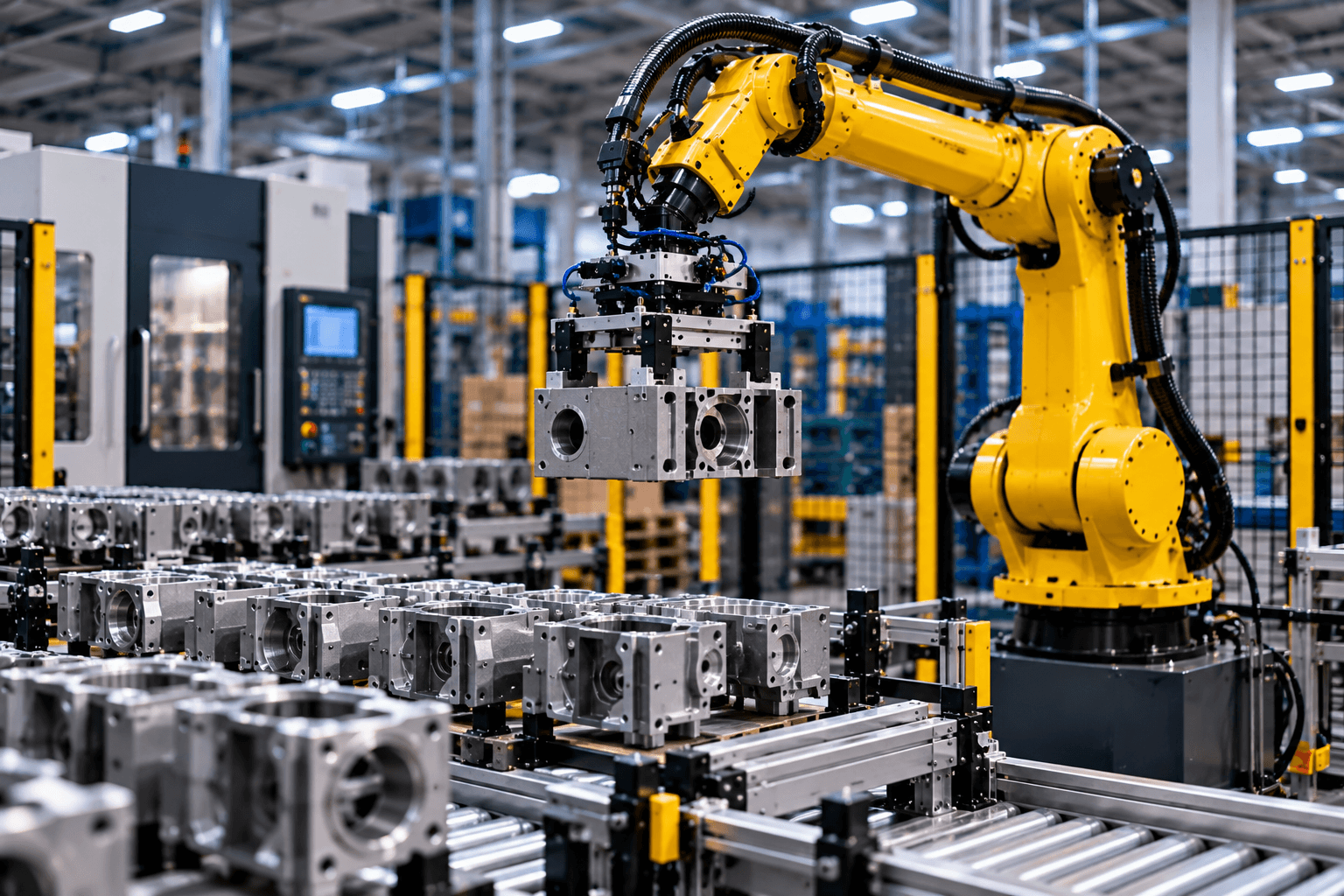
Moving, feeding, orienting, and transferring materials between operations.
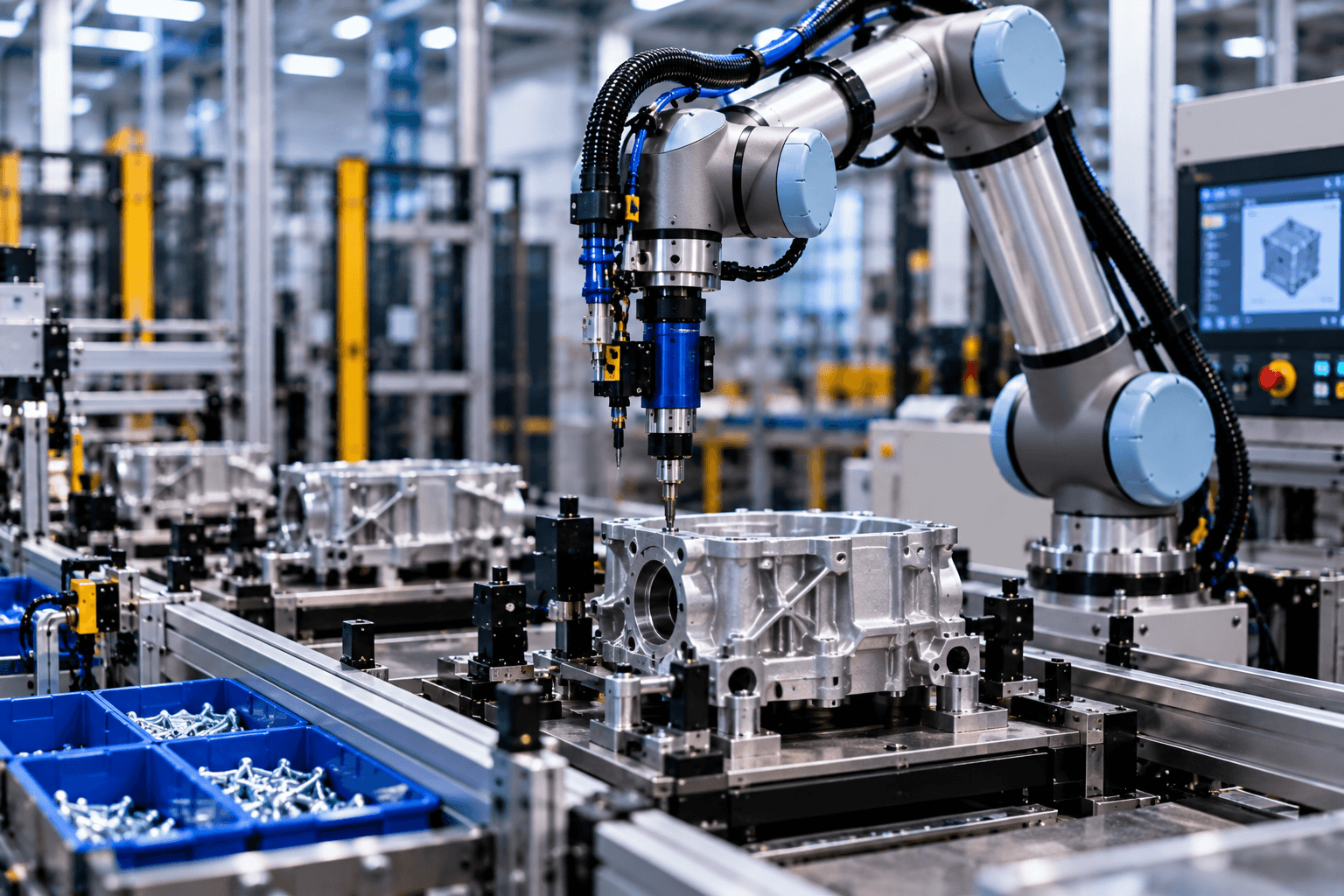
Automated component assembly, screwdriving, fastening, and related processes.
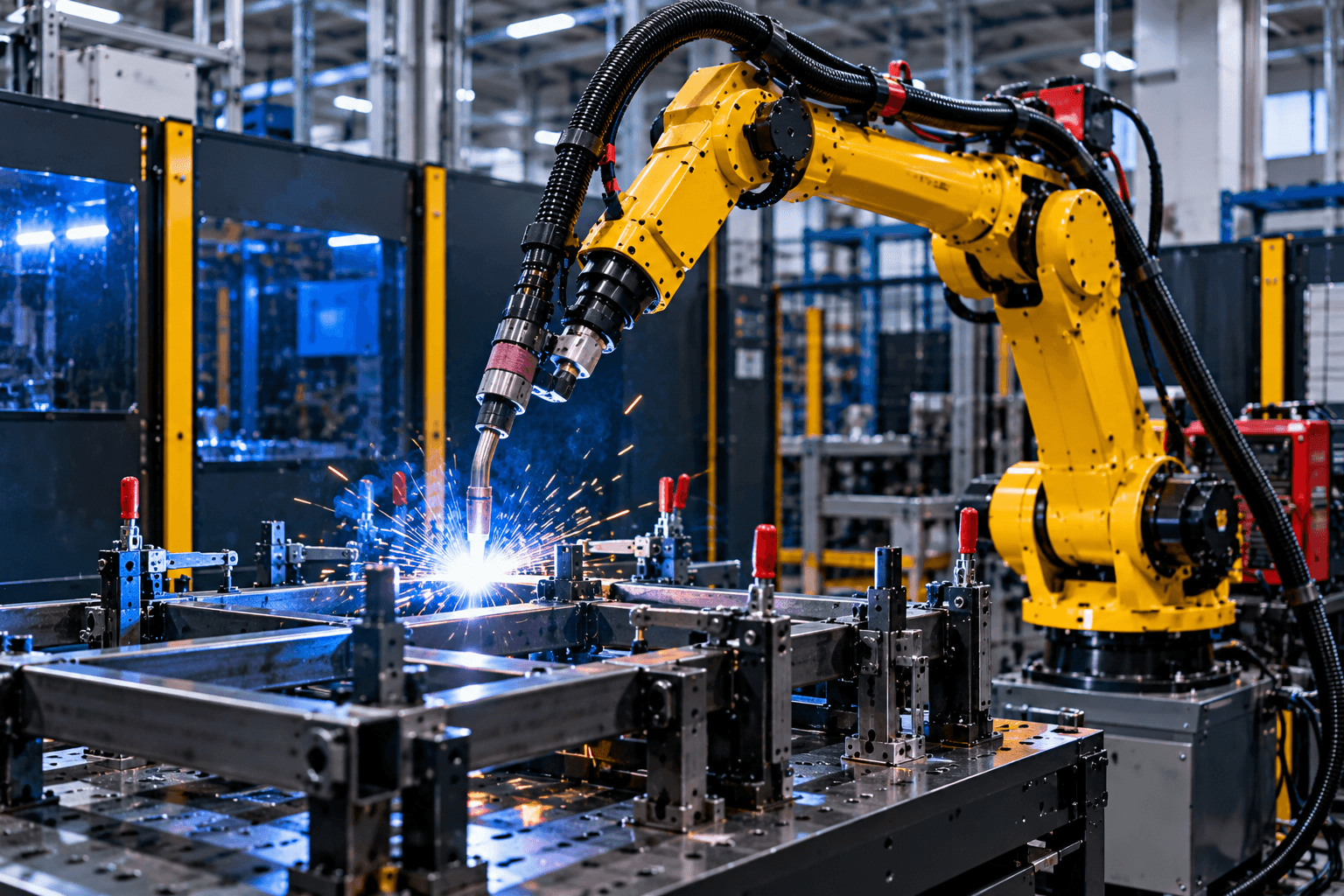
Robotic welding and other repeatable fabrication processes.
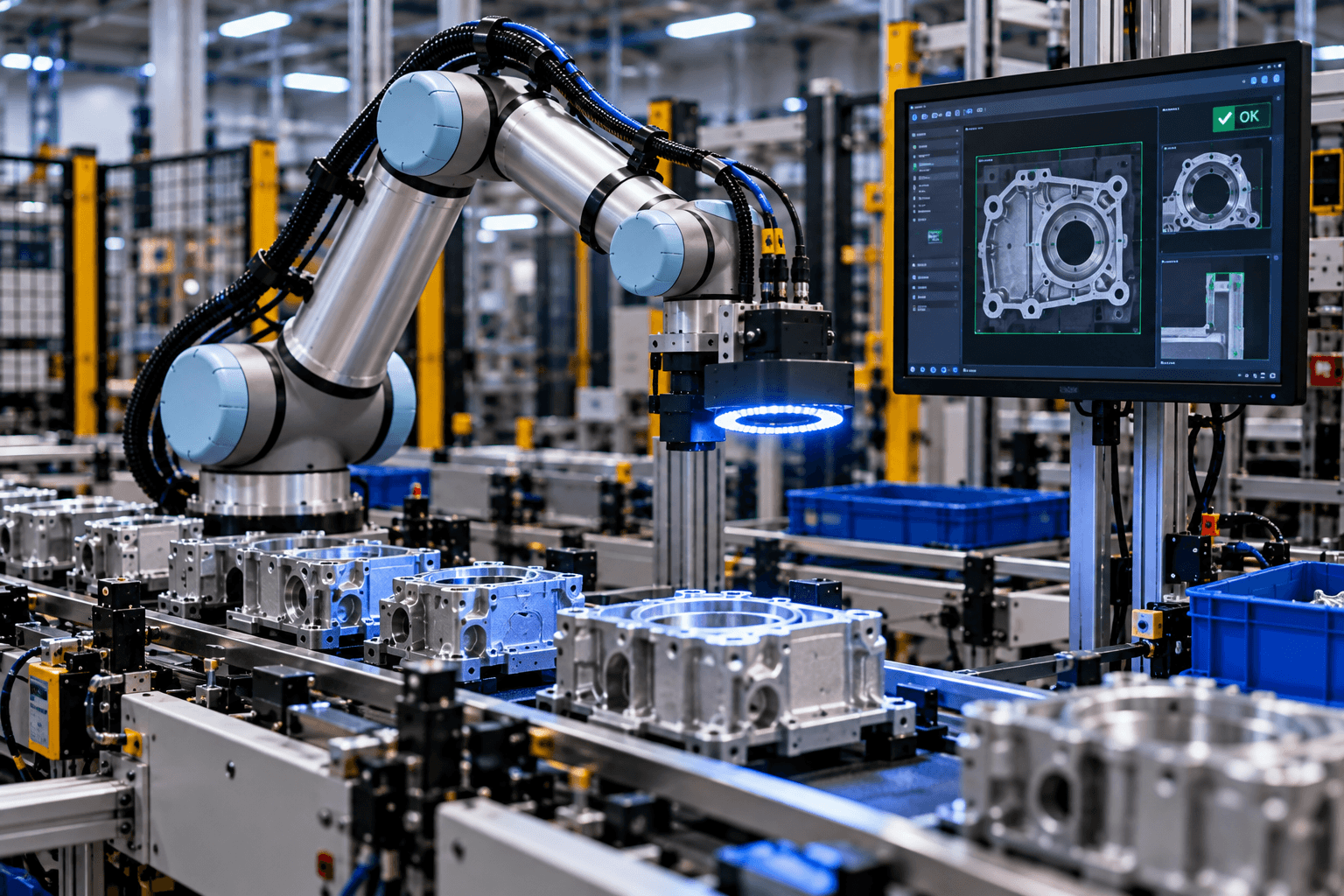
Machine-vision-assisted inspection, identification, sorting, and quality verification.
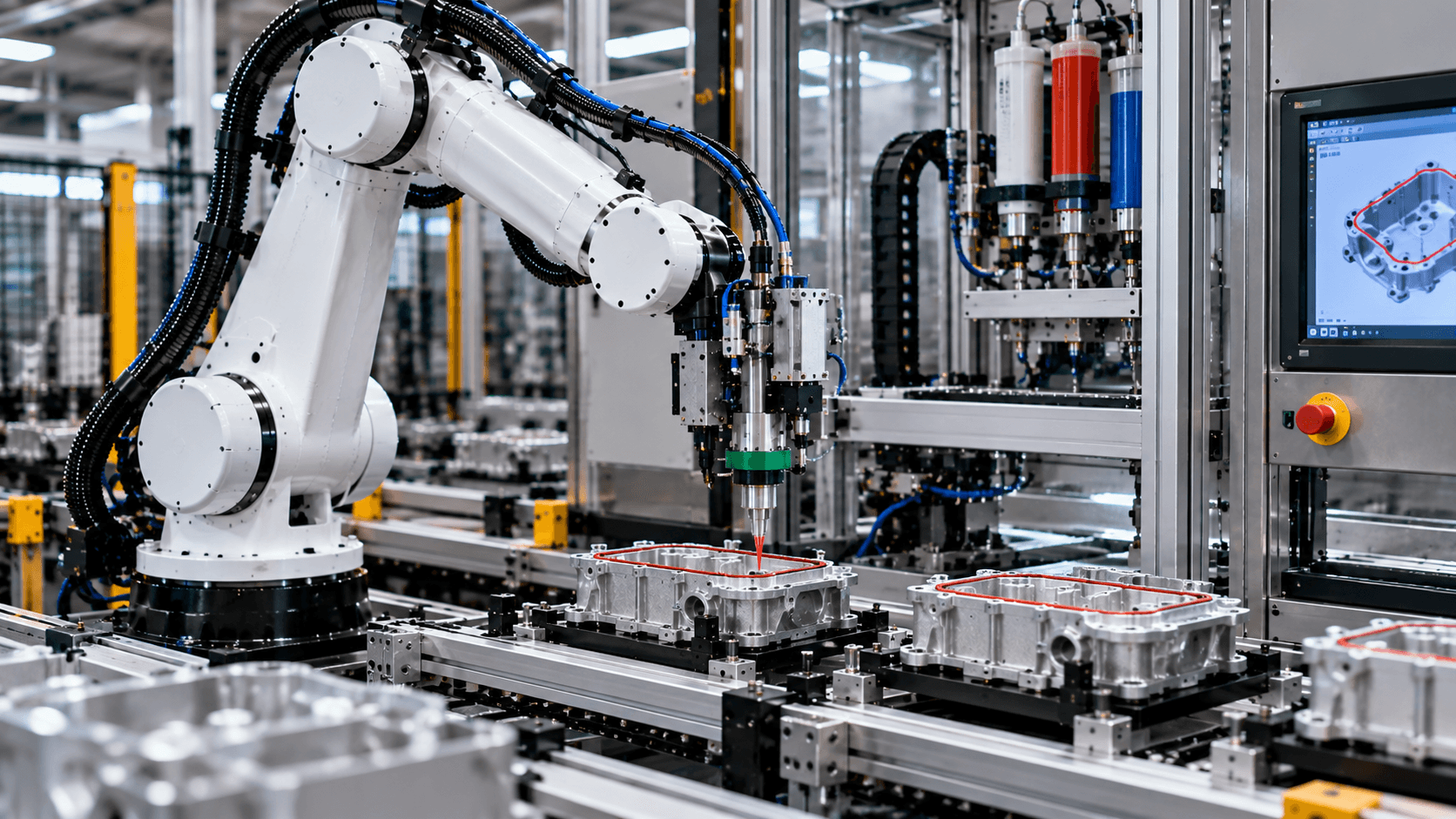
Sanding, polishing, deburring, adhesive dispensing, and other process applications.
FROM OPPORTUNITY TO IMPLEMENTATION
Understand the existing process, production requirements, bottlenecks, and potential return on investment.
Develop an appropriate automation concept around the application, equipment, workflow, and operating environment.
Bring together the necessary robotics, tooling, controls, sensors, and software.
Commission, validate, and introduce the automation solution into the production environment.
Plan for training, maintenance, troubleshooting, and ongoing optimization.
THE RIGHT ROBOT FOR THE RIGHT APPLICATION
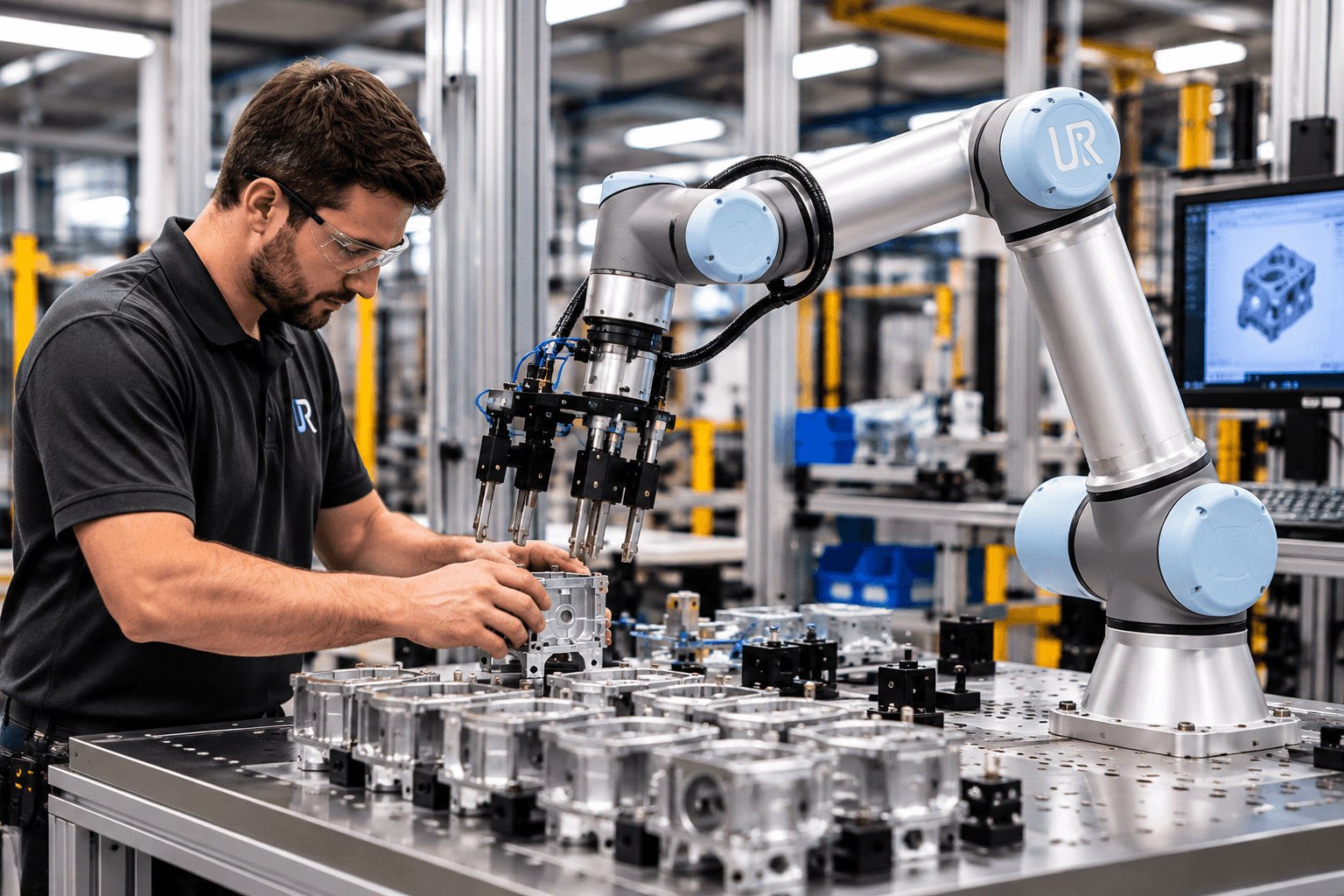
Often suitable for flexible applications, smaller workcells, and certain shared-workspace environments.
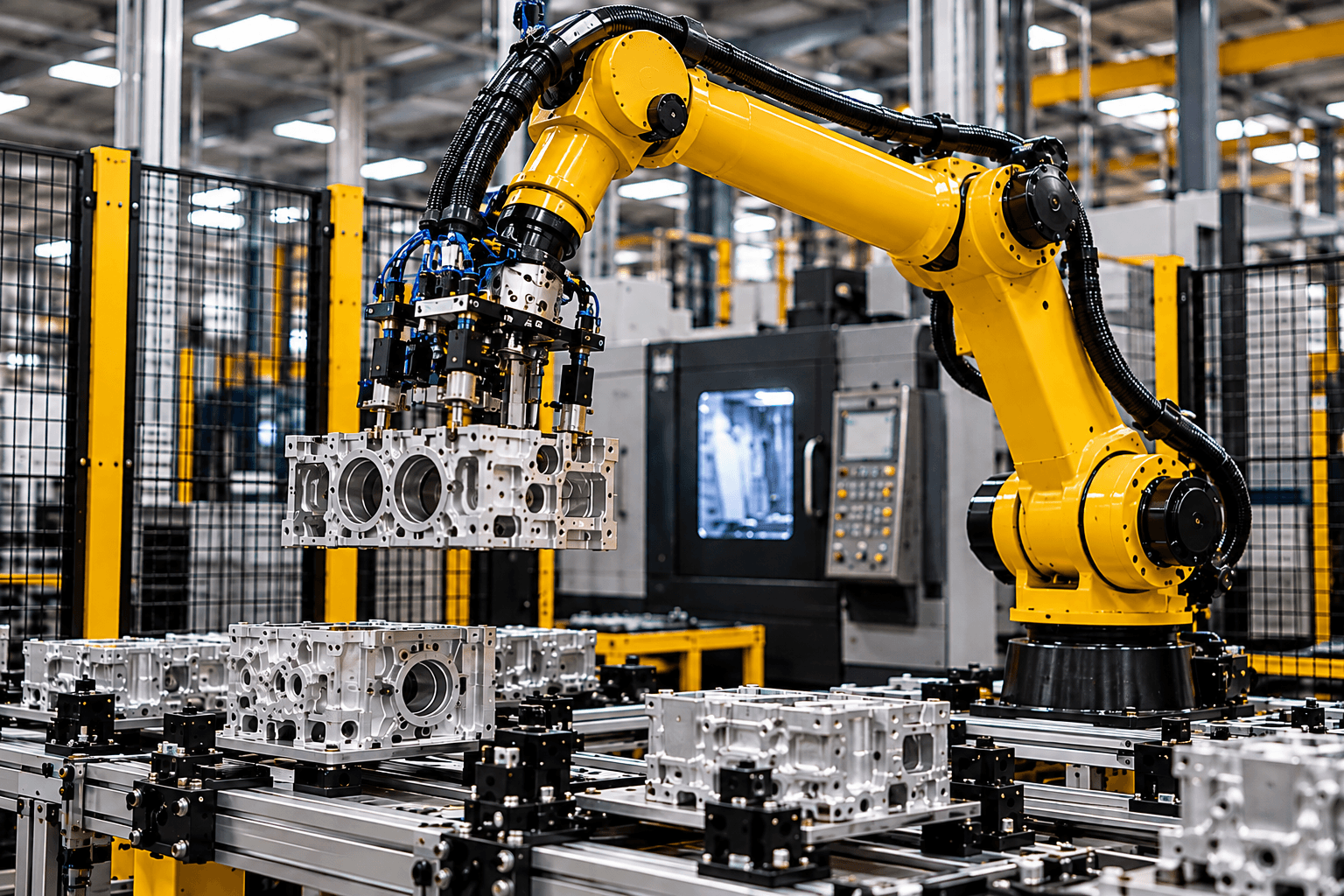
Often preferred for higher speeds, heavier payloads, extended reach, and demanding production environments.
APPLICATION REQUIREMENTS DRIVE THE DECISION
Safety is part of the application. Collaborative robots are not automatically safe to operate without protective measures. Appropriate risk assessments and safeguards are still necessary.
Neither technology is universally better.RoboRite starts with the work, then evaluates the right combination of robotics, tooling, controls, software, and integration.
START WITH THE WORK. NOT THE TECHNOLOGY.
Whether you're exploring your first robotic application or evaluating ways to automate additional processes, the right starting point is understanding where automation can deliver measurable value.